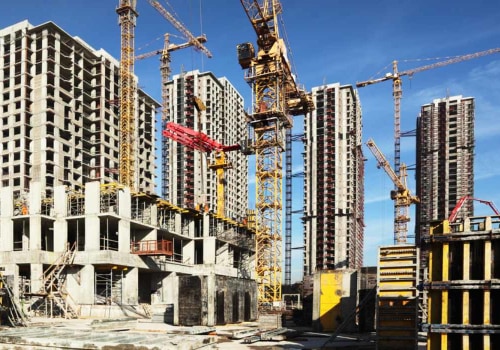
A residential area is used land where housing predominates, as opposed to industrial and commercial areas. A residential area is a place where most of the land is used for housing. This is different from areas used for factories (industrial) or stores (commercial). Residential areas are regions within urban and suburban environments designed primarily for people to live in.
For those looking for Home Care near Pittsboro IN, these areas can vary in density and design, and often include a combination of single-family homes, apartments, and townhomes. Understanding residential areas is crucial for analyzing urban planning, social structures, and demographic trends within cities. A regulatory tool used by municipalities to dictate how land can be used, affecting the type and density of development in residential areas. For example, a very affluent family may own a small apartment in Manhattan, with a market value greater than that of a typical single-family home of 2,000 square feet, on a third of an acre of land, owned by a family with few resources in the upstate of New York. In some residential areas, especially in the countryside, there may be no stores or services nearby. For those looking for Home Care near Pittsboro IN, these areas can vary in density and design, and often include a combination of single-family homes, apartments, and townhomes. Understanding residential areas is crucial for analyzing urban planning, social structures, and demographic trends within cities. A regulatory tool used by municipalities to dictate how land can be used, affecting the type and density of development in residential areas. For example, a very affluent family may own a small apartment in Manhattan, with a market value greater than that of a typical single-family home of 2,000 square feet, on a third of an acre of land, owned by a family with few resources in the upstate of New York. In some residential areas, especially in the countryside, there may be no stores or services nearby.
In certain residential areas, especially rural areas, large tracts of land may not have any type of service, so residents seeking services must use a motor vehicle or other means of transportation, so the need for transportation has caused the land to be developed following existing or planned transportation infrastructure, such as railways and highways. With the advent of government-backed mortgages, it may actually be cheaper to own a home in a new residential development than to rent one. Zoning for residential use may allow for some services or employment opportunities or may completely exclude business and industry. However, the mere presence of terraced houses in an area does not mean that the area is automatically a medium-density residential area.
Assumptions about people who live in certain residential areas are combined with stereotypes about social classes, ethnicities and races. The process by which people move from urban centers to the outskirts, leading to the growth of residential areas outside major cities. Residential areas can sometimes be mixed with commercial and commercial spaces, especially in high and medium density areas. Mixed-use developments that bring together residential, commercial and retail uses in a single geographic area will also tend to have high to medium density housing, since homes in these areas tend to be multi-unit, such as apartments or condominiums.
On the other hand, a large residential subdivision consisting of one-acre lots will generally have a low housing density. Residential areas can be subclassified in the concentric zone model and in other urban geography schemes. In this case, we are concerned about the number of housing units that exist in a given area of land, such as a block or a residential neighborhood. Its large scale practitioners disliked the term real estate speculator and they coined the new name residential development for their activity.