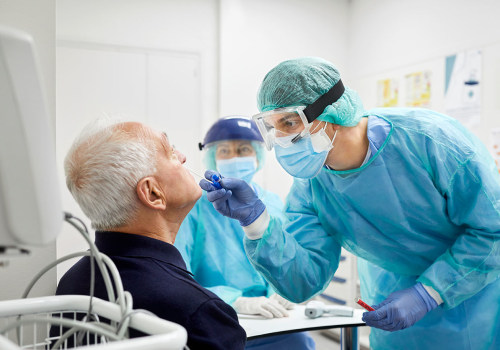
Getting certified in first aid and CPR isn't just a requirement, but a vital component of your ability to provide comprehensive care. These certifications prepare you to respond effectively to emergencies and provide immediate assistance until professional medical help arrives. PCA certification is important to ensure that caregivers meet the training and competence standards required by the state. Many health centers and Home Care near Bainbridge IN agencies require PCAsHome Care near Bainbridge IN agencies require PCAs to be certified before working. Not only does being certified increase employability, but it also ensures that caregivers have the necessary skills to provide high-quality care.
In addition, certification provides clients and their families with the peace of mind that their caregiver is trained and competent. Many people visit our website asking about PCA certification or personal care assistant certification. One of the first questions asked is whether personal care assistant certification is the same as caregiver certification. The personal care assistant certification is a caregiver certification. When you become certified as a personal care assistant, you will perform the same functions as a caregiver because you are a caregiver.
Enrolling in a PCA training program is the first step in becoming a certified personal care assistant (PCA). Career opportunities for PCAs are diverse and rewarding, and they offer employment in various health care settings. PCA certification is a formal qualification that verifies a person's ability to provide essential care services to clients who require help with activities of daily living. Minnesota law requires all individual personal care assistance (PCA) providers to complete individual Department of Human Services (DHS) PCA training and pass a one-time online exam.
If you can't find your certificate, you can request a copy using the PCA certificate request form. PCAs often organize recreational activities, encourage social interactions and help residents stay physically active. PCA training includes safe transfer techniques to prevent injuries for both the caregiver and the client. While there are many different names, titles, and designations for caregivers, such as the PCA certification, personal care assistant certification, or caregiver certification mentioned above, the bottom line is not the title.
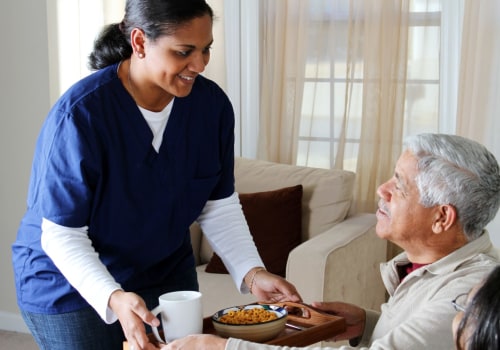
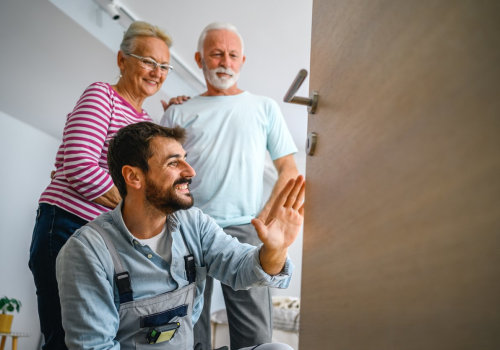
When DHS implements the CFSS, workers who have passed the combined test will be able to use their certificates for PCA and CFSS services. Many PCAs are dedicated to home health care services and provide personalized support to clients on their own homes. Whether helping elderly, disabled, or recovering patients, PCAs provide essential non-medical support, such as personal care, mobility assistance, and companionship. In these environments, PCAs assist residents with personal care activities, mobility assistance, and social participation.
With the growing demand for trained caregivers, PCA certification provides you with the skills, confidence, and qualifications needed to thrive in this essential field. Empathy and compassion are essential traits for PCAs in palliative care, as they must offer emotional and psychological support to both patients and their families. In fact, there are many workplaces you can find yourself in after becoming certified by the PCA.